
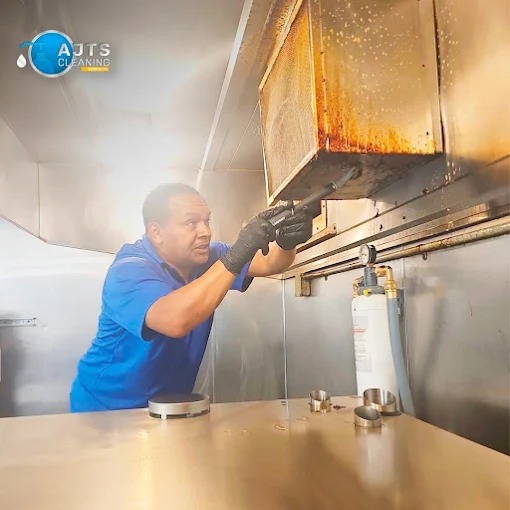
Walk into any Boston joint—North End pizza shops, Seaport burger spots, or tiny taco places—and you’d think everything’s fine. But there’s a dirty secret: kitchens getting slammed by health inspectors for being a mess. One greasy grill or a rat darting across the floor, and your place is locked up, bleeding cash, and losing customers. I’m breaking down why cleaning’s such a headache for Boston restaurants, what’s messing them up, and how to keep your spot open.
Why a Clean Kitchen Isn’t Optional
Boston’s Inspectional Services Department (ISD) is like a hawk. They check thousands of restaurants every year, giving you a 100-point score on the Mayor’s Food Court site. Mess up on big stuff—dirty stoves, bugs, whatever—and you’re losing points quick. Get it bad enough, they’ll shut you down right there. With food and rent costs killing you, a closure can put you out of business.
It’s not just the city you gotta worry about. Customers are all over it. A National Restaurant Association survey says 70% of people look up health scores before they eat. In Boston, where everyone’s on X posting about their meals, one picture of a grimy counter can screw you over. Keeping clean isn’t just about rules—it’s about staying alive.
What’s Getting Kitchens in Hot Water?
The ISD’s 2025 reports show the same problems popping up. Here’s what’s getting Boston restaurants in trouble:
- Grimy Equipment
Grease on hoods or food stuck under tables (Code 6-501.11/.115) is a health risk. It’ll dock you 5-10 points, and if you don’t clean it up, you’re getting re-inspected or shut down. - Rats and Roaches
Boston’s old buildings, especially in places like Chinatown, are pest central. A messy storage room or open door (Code 6-501.111/.115) lets bugs or rats in. If they’re near food, you’re closed. Pests are up 10% this year, making it a huge issue. - No Handwashing
No soap or cooks not washing after touching raw meat (Code 2-401.11-.12) is a fast way to lose 10+ points. It’ll stop your kitchen until it’s fixed. - Sloppy Storage
Putting raw chicken over veggies or cleaning stuff near food (Code 7-101.11) happens in about 18% of inspections. It’s a one-way ticket to a closure notice. - Broken Plumbing
If your water’s not 110°F for dishes or your pipes are leaking, you’re out of commission. It’s a top reason places get locked up.
These aren’t just checkboxes—they’re about not making people sick. But they’re a real pain for owners.
Real Stories: Boston Spots Taking Hits
Cleaning issues are making a tough year even worse. Food prices are up 10-15%, and then you get hit with this. The Cornerstone in Somerville got shut down for a bit in March by the health board for sanitation problems. They fixed it, but the lost money and bad rep helped push them to close for good. The ISD says about 50 places got temporary closures in early 2025 for stuff like pests—10% more than last year, thanks to more rats around.
On X, owners are pissed. One guy’s like, “I’m paying $2,000 a month for pest control, and one roach still got me.” Another had to chuck thousands in food because of mold caught in an inspection. They called it “a knife in the back.” That’s what it’s like—one mistake, and you’re hurting.
Why It’s So Hard to Keep Things Clean
Running a restaurant in Boston is a grind. Here’s why staying clean’s such a battle:
- No Money to Spare: Deep cleans and pest control can cost $5,000 a month. When you’re barely paying bills, it’s easy to skip it and pray you don’t get caught.
- Inspectors Are Ruthless: Shaky spots get 2-3 surprise visits a year, plus extra if someone calls 311. Complaints are up because of X and apps.
- Staff Come and Go: Newbies might not know to scrub everything or change gloves. Training’s tough when people keep quitting.
- Boston’s a Rat Haven: Old buildings and tight streets mean pests are always close. Even clean spots can’t keep them out.
Get caught, and it’s a mess—hearings, repairs, re-inspections, all while you’re losing cash with your doors locked.
How to Keep Your Place Open
You don’t want to be the next closed sign. Here’s how to stay clean and keep the inspectors happy:
- Make a Cleaning Routine
Write a daily list: sweep under everything, air-dry dishes, rotate stock so nothing spoils. Get equipment that’s easy to clean. - Train Your People
Get managers ServSafe certified. Put up signs like “Wash hands after meat” to keep everyone straight. - Don’t Skip Upkeep
Get pest control and hood cleaning every month. Check your water temp weekly to make sure it’s hot enough. - Check Your Score
Look at your health grade on the Mayor’s Food Court site. Stay above 90 points, and fix little stuff quick. - Deal with Complaints
If someone’s griping on X or 311, handle it fast. Show you’re fixing it to keep the city away. - Get Pros In
Hire cleaners who know Boston’s rules. They’ll catch problems before inspectors do.
Clean Kitchens Keep Boston Cooking
From South End soul food to Back Bay seafood, restaurants are Boston’s heart. But with dozens of places shutting down this year, per Eater Boston, you can’t afford mistakes. A clean kitchen keeps the city off you and shows customers you’re legit. When everyone’s got a phone and an opinion, that’s everything.
Conclusion: Don’t Let a Mess Ruin You
Cleaning problems can hit like a truck, but you can dodge them. Know the rules, keep your crew sharp, and stay on it. If you’re in Boston or nearby and need help keeping your kitchen clean, communicate AJTS Cleaning Service. They’ve got your back with expert cleaning, so you can focus on packing tables and serving killer food.