The Importance of Kitchen Hygiene
In the bustling environment of a commercial kitchen, the difference between a successful food operation and a public health disaster often comes down to one critical factor: cleanliness. Maintaining impeccable hygiene is not just a matter of aesthetics; it is the foundation of food safety and the cornerstone of contamination control. Every surface, utensil, and appliance must be maintained to exacting standards to prevent foodborne illnesses and ensure the safety of customers and staff alike.
Beyond Wiping and Mopping
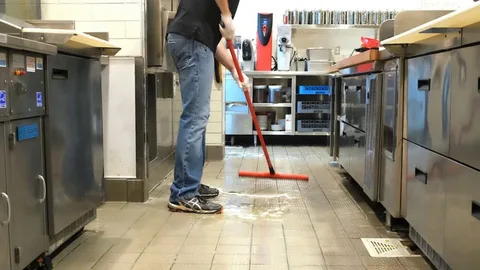
Commercial kitchen cleaning goes far beyond simple wiping and mopping. It is a systematic process that combines specialized equipment, targeted cleaning agents, and rigorously scheduled protocols. Professional kitchens are constantly exposed to raw ingredients, bacteria, grease, and cross-contamination risks. Without a structured cleaning program, these hazards can quickly escalate, leading to contamination of food, equipment failures, and serious legal repercussions. By implementing comprehensive cleaning procedures, restaurants and food service establishments protect both their patrons and their reputations.
Identifying Critical Contamination Points
The first step in achieving food safety through kitchen cleaning is understanding the critical points of contamination. Surfaces such as cutting boards, countertops, and prep tables are hotspots for bacteria and pathogens. Cleaning these areas with appropriate sanitizers and techniques is essential. A properly cleaned surface does not simply appear clean to the eye; it is free of bacteria that can compromise food safety. This attention to detail ensures that food prepared in the kitchen meets the highest hygiene standards.
Equipment Hygiene and Maintenance
Equipment hygiene plays an equally vital role. Ovens, fryers, mixers, and refrigeration units can all become breeding grounds for bacteria if not properly maintained. Regular deep cleaning of these machines removes grease build-up, food residues, and microbial contaminants. Additionally, sanitation extends to small tools such as knives, spoons, and tongs, which can carry harmful pathogens from one food item to another if neglected. A structured cleaning schedule that addresses both large and small equipment reduces cross-contamination risks significantly.
Waste Management and Contamination Prevention
Commercial kitchen cleaning also involves a strong focus on waste management. Trash bins, disposal areas, and drains are often overlooked but are frequent sources of contamination. Effective disposal methods, routine cleaning of bins, and proper handling of waste ensure that these areas do not compromise the safety of food preparation. This comprehensive approach not only protects food quality but also promotes a healthier work environment for kitchen staff, reducing the likelihood of illness or injury.
Air Quality and Ventilation
Air quality and ventilation are frequently underestimated in contamination control. Grease, smoke, and airborne bacteria can spread throughout the kitchen if ventilation systems are not properly maintained. Cleaning air filters, ducts, and vents is an essential component of a complete kitchen hygiene program. A clean airflow system minimizes the spread of contaminants, preserves the quality of prepared foods, and enhances the overall efficiency of kitchen operations.
Staff Training and Hygiene Culture
In addition to physical cleaning, staff training is critical for maintaining food safety. Employees must understand the principles of contamination, proper cleaning techniques, and the importance of following cleaning schedules. By instilling a culture of hygiene and responsibility, commercial kitchens ensure that every individual contributes to contamination control. Training programs also cover safe handling of chemicals and sanitizers to protect staff while maintaining effective sanitation practices.
Monitoring and Verification
Monitoring and verification are integral parts of a successful cleaning strategy. Routine inspections, microbiological testing, and compliance audits help verify that cleaning procedures are both effective and consistently applied. These measures provide tangible proof that the kitchen meets food safety standards and help identify areas for improvement. In highly regulated industries, such verification is not optional; it is a legal requirement to ensure public health is protected.
Technology in Commercial Kitchen Cleaning
Technology also enhances modern commercial kitchen cleaning. Automated cleaning systems, UV sterilization devices, and specialized cleaning equipment streamline processes and improve efficiency. These innovations reduce human error and allow staff to focus on critical areas that require careful attention. While technology can assist, it is the combination of human diligence, structured protocols, and proper oversight that achieves the highest standards of food safety.
Consistency and Ongoing Commitment
Finally, commercial kitchen cleaning is an ongoing commitment rather than a one-time effort. Daily, weekly, and monthly cleaning schedules ensure that no area is neglected and that contamination risks are continually minimized. From wiping prep surfaces after every use to conducting deep cleans of ovens and refrigeration units, consistency is key. A kitchen that maintains this discipline not only protects its customers but also reinforces its reputation for quality and safety.
Conclusion
Food safety and contamination control in commercial kitchens are achieved through a combination of structured cleaning procedures, vigilant staff practices, proper equipment maintenance, and ongoing verification. Every surface, utensil, and appliance plays a role in the hygiene ecosystem, and neglecting any element can have serious consequences. By treating kitchen cleaning as a comprehensive, strategic process, food service operations safeguard both the wellbeing of their customers and the integrity of their business. Cleanliness is not just a routine; it is the invisible ingredient that ensures every meal is safe, every dish is flawless, and every kitchen thrives. If your commercial kitchen is in Boston, MA, or the surrounding area, connect with AJTS Cleaning Service for professional support in maintaining the highest standards of hygiene and safety.