The Importance of Floor Waxing in Commercial Spaces
In commercial and industrial settings, flooring is more than just a surface it’s a reflection of professionalism, safety, and operational efficiency. A well-maintained floor conveys cleanliness and attention to detail while also protecting the underlying materials from wear and tear. Floor waxing is a critical part of maintenance that preserves surfaces, prevents damage, and extends the life of flooring materials. Whether in offices, retail stores, or industrial facilities, applying wax correctly ensures safety by reducing slips and maintaining a polished, professional appearance.
Preparing the Surface
Proper floor waxing begins with preparation. Any debris, dust, or dirt left on the surface will interfere with adhesion, leaving streaks or uneven coverage. The first step is sweeping or vacuuming the entire area to remove loose particles. In high-traffic commercial areas, multiple passes may be necessary to ensure no grit remains that could scratch the floor during waxing.
Next, thorough cleaning is essential. A neutral pH floor cleaner is typically applied to remove grease, oils, and other residues. For industrial environments where chemicals may have spilled or accumulated, a stronger degreasing solution may be required. The floor should then be rinsed thoroughly and allowed to dry completely before any wax application begins. Drying ensures that the wax adheres evenly and does not trap moisture underneath, which can cause peeling or clouding.
Choosing the Right Wax
Selecting the appropriate wax is critical for achieving long-lasting results. Commercial floors come in various materials, including vinyl, linoleum, wood, and concrete, each of which responds differently to different wax formulations. Acrylic-based waxes are common for high-traffic office areas due to their durability and shine. Industrial spaces with heavy machinery may benefit from more resilient or slip-resistant formulations. Always consult the flooring manufacturer’s recommendations to ensure compatibility and avoid damaging the surface.
Application Techniques
When it comes to waxing, technique is just as important as the product itself. The goal is an even, thin layer that fully covers the floor without puddles or streaks. Start by pouring a small amount of wax onto the floor, working in manageable sections to maintain control. Using a clean, soft applicator pad or mop, spread the wax evenly in a consistent motion, typically in overlapping straight lines or figure-eight patterns. Avoid circular scrubbing, which can create uneven layers.
For large commercial spaces, team coordination may be necessary. Assign sections to different workers to maintain consistent speed and coverage. Proper lighting helps spot streaks or missed areas, ensuring the final result is uniformly glossy. If a second coat is needed, always allow the first layer to dry completely before applying the next. Rushing the process can compromise adhesion and durability.
Buffing and Polishing
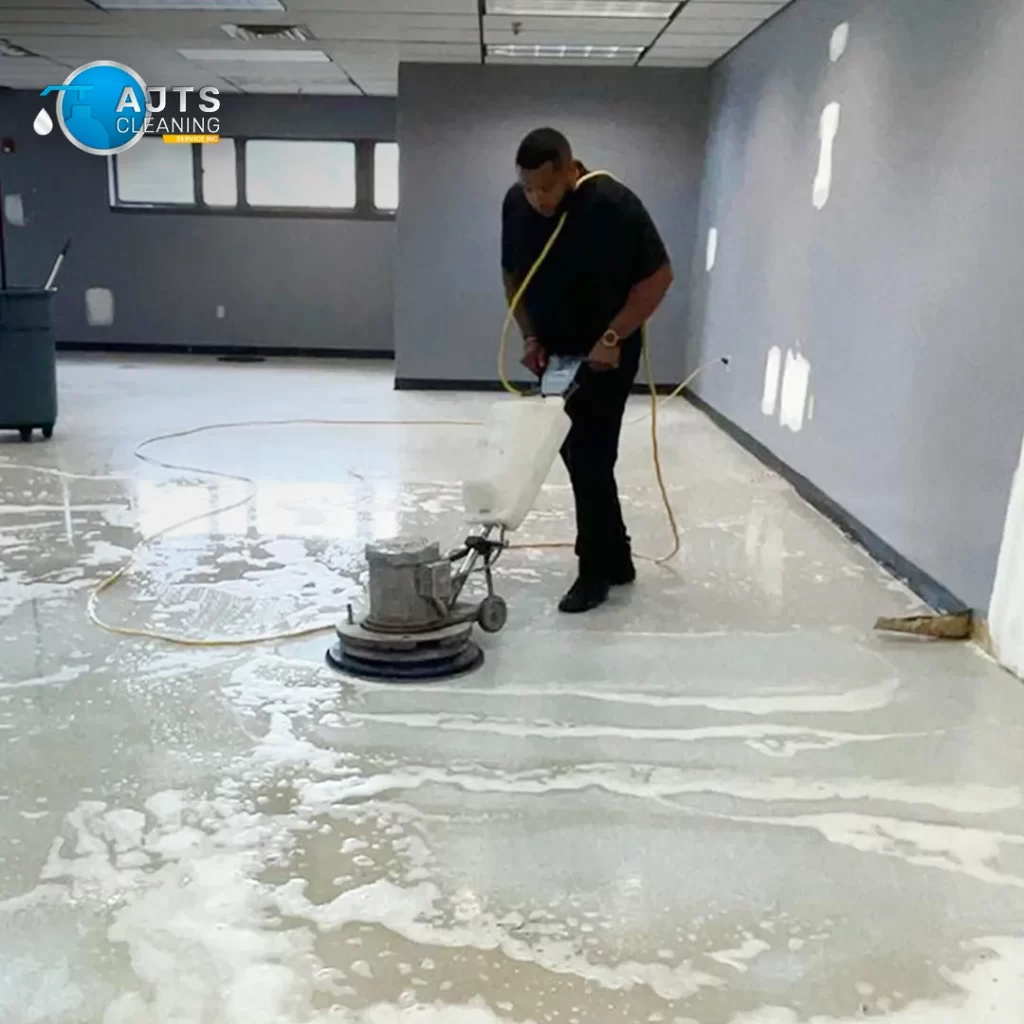
After applying the wax, buffing is the next critical step. Buffing not only enhances the shine but also helps the wax bond firmly to the surface. Commercial buffing machines are typically used for large areas, while smaller spaces may be polished with hand or orbital buffers. Move the buffer steadily and avoid pausing in one spot for too long, which could create heat spots or uneven shine. The goal is a smooth, reflective finish that highlights the cleanliness and professionalism of the facility.
In industrial areas, buffing also plays a safety role. A properly polished surface reduces friction inconsistencies, helping prevent slips or trips. Maintaining the correct buffer speed and pad type for the floor material is essential to avoid damaging delicate surfaces like wood or vinyl.
Drying and Curing
Once buffing is complete, the wax needs time to cure. In commercial environments, this means controlling traffic and protecting the floor until it has fully set. Staff should be alerted with signage, and in high-traffic areas, temporary barriers may be used to prevent foot traffic. Depending on the wax type, curing can take anywhere from a few hours to overnight. Proper curing ensures durability and a consistent finish, minimizing the need for frequent reapplication.
Maintenance Between Waxing
Floor waxing is not a one-time task; ongoing maintenance preserves the shine and effectiveness of each coat. Daily cleaning routines should include dust mopping and spot cleaning spills promptly to prevent damage. Regular polishing with a light buffer can rejuvenate the finish between full waxing sessions. In industrial areas, scheduled inspections help identify high-wear zones that may require additional attention or a touch-up coat. Consistency is key to maintaining the professional appearance and longevity of the flooring.
Safety Considerations
Commercial floor waxing comes with safety considerations. Wet wax is slippery, and buffing equipment can pose hazards if mishandled. Proper training, protective gear, and clear communication are essential. For industrial environments, safety signage, restricted access during waxing, and appropriate ventilation are necessary to prevent accidents or inhalation of fumes. When safety protocols are followed, waxing becomes a smooth, efficient, and low-risk procedure.
Benefits of Professional Floor Waxing
Following proper procedures yields tangible benefits. Waxed floors are easier to clean, resist stains and damage, and reflect light, enhancing workplace brightness. In commercial offices, a polished floor creates a professional atmosphere that impresses clients and employees alike. Industrial facilities benefit from improved visibility and reduced wear, contributing to operational efficiency and safety. Investing time in proper floor waxing ultimately reduces maintenance costs and extends the life of flooring materials.
Final Line
Proper floor waxing in commercial and industrial spaces is a structured process that demands preparation, the right products, precise application, and consistent maintenance. From initial cleaning to final buffing, each step ensures the floor remains hygienic, safe, and visually appealing. By adhering to these procedures, businesses not only protect their flooring investment but also enhance workplace safety and professionalism. If you are in Boston or the nearby area, Work with AJTS Cleaning Service for your commercial floor waxing needs. Regular waxing transforms ordinary floors into durable, high-shine surfaces that leave a lasting impression.