
- Home/
- Buy Clomid Without Prescription in the United States Online
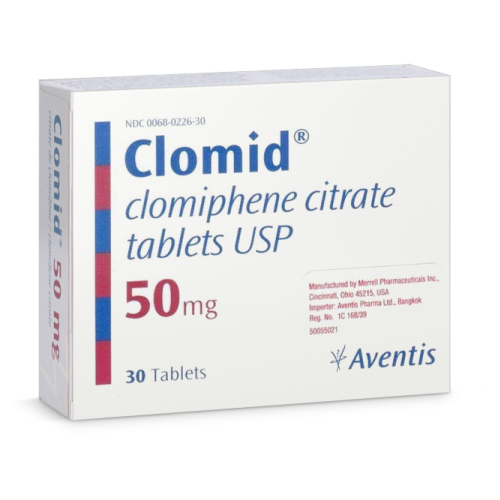
| Brand Name | Clomid |
|---|---|
| Main Substance | Clomiphene citrate |
| Primary Use | Induction of ovulation in women with Female Infertility |
| Strength Variants | 50 mg, 100 mg tablets |
| How Quickly It Starts Working | Ovulation typically occurs 5–10 days after last dose |
| How Long Effects Last | One menstrual cycle per treatment course |
| Prescription Needed in the US? | Yes, requires a doctor’s prescription |
| Cost Range in United States | Approx. $20–$50 per cycle (medication only) |
Clomid for Female Infertility: A Complete Guide for United States
Clomid, with the active ingredient clomiphene citrate, is a well-established prescription medication for treating certain types of Female Infertility by stimulating ovulation. It is approved and regulated in the United States, and can be legally obtained with a doctor’s prescription. This guide walks you step-by-step through understanding if Clomid is right for you, how it works, how to use it, and what to expect during treatment.
Infertility: You Are Not Alone—and It Can Be Treated
Infertility affects millions of individuals and couples across the United States. According to the Centers for Disease Control and Prevention (CDC), in 2022 approximately 19% of married women aged 15–49 in the US faced difficulty getting pregnant after one year of trying. Globally, the World Health Organization estimates about 1 in 6 people experience infertility at some point in their lives (WHO, 2023). Female Infertility is a common, recognized medical issue—not a personal failure—and there are evidence-based treatments that can make a real difference.
How Clomid Works: Mechanism and Real-World Effects
Clomid acts on the hormonal axis that controls ovulation. More specifically, clomiphene citrate binds to estrogen receptors in the brain, tricking your body into thinking estrogen levels are lower than they actually are. This prompts the pituitary gland to release more follicle-stimulating hormone (FSH) and luteinizing hormone (LH). The practical result is that the ovaries are stimulated to mature and release an egg—effectively triggering ovulation in women who do not ovulate regularly.
- What you will notice: Clomid is taken for five days early in your cycle. Ovulation generally occurs between 5 and 10 days after the last tablet.
- How you know it works: Many women experience predictable signs of ovulation: mid-cycle pelvic discomfort, changes in cervical mucus, or you may use ovulation predictor kits. Your doctor may confirm ovulation with blood tests or ultrasound.
- Why this matters: Inducing ovulation increases your chances of conception if lack of regular ovulation (“anovulation”) is the primary barrier.
In clinical studies reviewed by the American Society for Reproductive Medicine (ASRM, 2023), about 70–80% of women ovulate with Clomid, and roughly 22% achieve pregnancy per treatment cycle. Effectiveness depends on the underlying cause of infertility.
Does Clomid Fit Your Situation? Real-Life Scenarios Compared
| Scenario | Is Clomid Suitable? | Explanation |
|---|---|---|
| You have irregular or absent ovulation (anovulation), with normal uterus and open fallopian tubes | Yes—first-line option | Clomid directly stimulates ovulation; most effective in this group |
| Polycystic ovary syndrome (PCOS), no other major fertility issues | Often suitable | Clomid is commonly used for PCOS-related anovulation, though some may require higher dose or alternative medications (per clinical guidelines) |
| Male partner with significantly abnormal semen analysis | Not optimal—address male factor first | Clomid will not overcome male factor infertility; addressing the partner’s issue is crucial |
| Blocked fallopian tubes or significant uterine abnormalities | No | Clomid cannot correct anatomical barriers—other interventions required |
| Multiple unsuccessful Clomid cycles (≥6) with no pregnancy | Consider alternative treatments | Further evaluation or assisted reproductive technologies may be more appropriate |
Choosing Clomid is most appropriate when irregular ovulation is the main identified problem. If you do not fit into one of the “yes” situations, discuss alternatives with a fertility specialist.
How to Use Clomid in Practice: Dosage, Timing, and What Ifs
- Standard regimen: Start with 50 mg once daily for five days, usually beginning on day 3, 4, or 5 of your menstrual cycle. Your doctor may adjust the dose for future cycles up to a maximum of 100–150 mg daily if ovulation does not occur.
- With or without food? Clomid can be taken with or without meals; food does not affect absorption.
- Missed a dose? Take it as soon as you remember if it’s the same day. If you miss a full day, do not double up the next day—just continue as scheduled and inform your doctor.
- What if ovulation does not happen? Your doctor may increase the dose or suggest an alternative treatment, depending on monitoring results.
- When to have intercourse: Focus on the “fertile window”—typically days 10–18 of your cycle, counting from the first day of your period. Your doctor may recommend using ovulation predictor kits to pinpoint the best time.
- What is normal: Mild pelvic discomfort, bloating, or mood changes are common and usually resolve after treatment.
- When to alert your doctor: Severe abdominal pain, vision changes, or shortness of breath are not normal and require prompt attention.
- If pregnancy occurs: Stop Clomid immediately and notify your healthcare provider.
Clomid treatment is typically limited to 3–6 cycles. Extended use is not recommended without re-evaluation.
Safety Considerations: Contraindications, Side Effects, and Drug Interactions
Who Should Not Take Clomid: Contraindications Explained
- Pregnancy: Do not use Clomid if you are already pregnant, as it can cause harm to the fetus.
- Liver disease: Clomid is contraindicated with active or chronic liver disorder because the liver metabolizes the drug; impaired function raises risk of side effects.
- Unexplained uterine bleeding: Further investigation is needed before starting Clomid to rule out serious conditions.
- Presence of ovarian cysts (not due to PCOS): Clomid can worsen cysts, leading to complications such as ovarian torsion.
- Endocrine disorders not related to ovulation: Other hormonal causes of infertility should be evaluated before considering Clomid.
If you have a known contraindication, using Clomid can worsen your underlying condition or cause new risks. Always discuss your full medical history with your doctor before starting treatment.
What Side Effects to Expect—and When to Seek Help
- Common and self-limiting: Hot flashes (up to 10–20%), mild abdominal discomfort, breast tenderness, headache, and mood swings. These usually resolve on their own after the medication course is completed.
- Less common: Visual disturbances (blurring, spots). If you experience these, discontinue Clomid and contact your doctor as they may persist or worsen with continued use.
- Rare but serious: Ovarian hyperstimulation syndrome (OHSS), presenting as severe pelvic pain, rapid weight gain, shortness of breath, or severe bloating. Multiple pregnancies (twins or more) are also a possibility (up to 10% risk per CDC, 2022).
If you experience severe abdominal pain, difficulty breathing, or sudden swelling, stop using Clomid and seek immediate medical attention. In the United States, the national emergency number is 911. For poison-related emergencies, contact the American Association of Poison Control Centers at 1-800-222-1222.
Drug Interactions: Clomid and Your Other Medications
Clomid has few documented interactions with commonly used medications. However, medications that affect liver enzymes (such as some antifungals or anti-epileptic drugs) could theoretically alter Clomid’s metabolism, possibly affecting efficacy or side effect risk. Some fertility treatments, such as gonadotropins, may be used in combination under professional supervision. Always inform your doctor about all prescription, over-the-counter, and herbal supplements you take. Adjustments and monitoring are necessary if using multiple medications that influence hormones or liver function.
How Does Clomid Stack Up? Alternatives and Honest Comparison
| Medication/Approach | Main Use | Success Rate | When Preferred | Key Limitations |
|---|---|---|---|---|
| Clomid (Clomiphene) | Inducing ovulation in anovulatory women | 70–80% ovulation, 22% pregnancy/cycle | First-line for regular ovulatory issues, especially PCOS | Less effective if tubal or male factor present; limited cycles advised |
| Letrozole (Femara) | Alternative ovulation induction | Similar or slightly higher pregnancy rates in PCOS | PCOS, Clomid-resistant cases, fewer side effects in some | Not FDA-approved for infertility (off-label); less long-term data |
| Injectable Gonadotropins | Stimulating multiple follicles/eggs | Higher pregnancy rate/cycle | When oral agents fail or for IVF/IUI | Costly, requires monitoring, higher risk of OHSS and multiple pregnancies |
| IVF (In Vitro Fertilization) | Assisted fertilization outside body | Highest overall success rates | Severe infertility, blocked tubes, failed prior treatments | Expensive, invasive, insurance often does not cover |
Clomid remains the recommended first step for most women with ovulatory dysfunction and normal partner evaluation. Letrozole is increasingly used, particularly in women with PCOS, but is not officially FDA-approved for infertility in the US. Injectable hormones and IVF offer higher success, but at increased cost, complexity, and risk. The optimal approach is determined by your diagnosis, age, and reproductive goals—consultation with a fertility specialist is essential for individualized care.
Buying Clomid in United States: Price, Prescription, and Delivery Explained
Clomid is a prescription medication in the United States, regulated by the Food and Drug Administration (FDA). While it is illegal to dispense Clomid without a prescription, some online pharmacies claim to offer it without proper authorization—these sources are high-risk for counterfeit or unsafe products. Always use FDA-licensed pharmacies or reputable telemedicine services that require a legitimate prescription. Insurance may cover part of the cost, though coverage varies.
| Cost item | Amount | Note |
|---|---|---|
| Doctor consultation (in-person or telemedicine) | $100–$250 | Ranges based on clinic and region; telemedicine often less expensive |
| Prescription fee | $0–$25 | Some clinics include this in consultation; some charge separately |
| Clomid medication (per 5-day cycle) | $20–$50 | Varies by pharmacy, insurance, and brand vs. generic |
| Delivery (if using an online pharmacy) | $5–$20 | Standard shipping costs; expedited may be higher |
| Total | $125–$345 | One cycle, including all required steps |
Some insurance plans may reduce out-of-pocket costs, especially if medication and consultation are covered. Always verify pharmacy credentials and ensure the prescription is filled through a licensed provider in the United States.
Addressing Remaining Doubts: Fertility, Timeframes, and What’s Next
- How long before I know if Clomid is working? Most women ovulate in the first or second cycle if Clomid is effective. Lack of response after 3 cycles warrants reassessment of your infertility workup and treatment plan.
- How many cycles should I try? Standard medical advice is up to six cycles, but if ovulation or pregnancy has not occurred after three, further testing is often recommended. Prolonged use increases risk of side effects and is not proven to improve outcomes.
- Can I use Clomid without a doctor’s supervision? No. Safe and effective use requires medical evaluation, monitoring for rare complications, and prescription. Self-medication is not recommended and may cause harm.
- What if I have irregular periods and do not respond to Clomid? Alternative diagnoses, such as thyroid dysfunction or advanced ovarian reserve loss, should be considered. Letrozole or injectable gonadotropins may be options. Your doctor will guide you based on updated findings.
- Who regulates Clomid’s safety and quality in the US? The US Food and Drug Administration (FDA) oversees safety, efficacy, and manufacturing standards for Clomid and its generics. Only use FDA-approved sources for purchase.
Infertility is challenging, but modern treatments—including Clomid—offer real potential for success. Regular communication with your healthcare provider and individualized care planning are central to optimizing your chances.