
- Home/
- Buy Seroquel Online in the United States – Fast and Secure Ordering
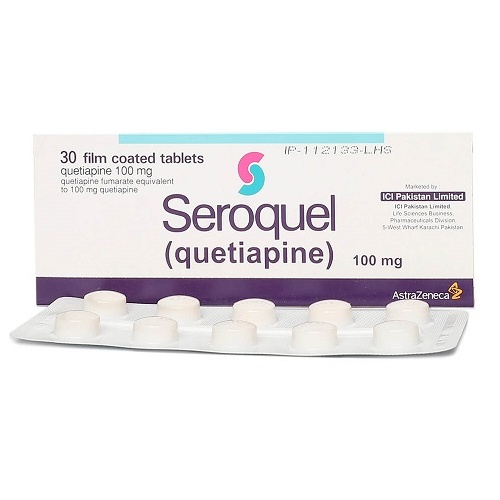
Seroquel in United States: A Comprehensive Medical Guide to Safe Use, Prescription, and Patient Experience
Can I buy Seroquel without a prescription in United States?
Seroquel is a prescription-only medication in the United States. It is illegal to buy Seroquel without a prescription, whether in pharmacy or online. Federal and state laws require a valid prescription from a licensed healthcare provider for all purchases.
Key Takeaways: What Every Patient Needs to Know About Seroquel
- Seroquel is primarily prescribed for schizophrenia, bipolar disorder, and as an adjunct for major depressive disorder in adults.
- It requires a prescription in United States—self-medication is unsafe and illegal.
- Noticeable improvement may take several days to weeks; sudden discontinuation can cause withdrawal symptoms.
- The most important safety concern is the risk of metabolic changes, sedation, and potential for misuse or overuse.
- Telemedicine services can facilitate consultation and prescription, but “Seroquel without prescription” offers online are illegal and unsafe.
- If you experience sudden muscle stiffness, confusion, or high fever while taking Seroquel, seek immediate medical attention.
How Seroquel Works in the Brain: Mechanism and Metabolism
Seroquel (quetiapine fumarate) is an atypical antipsychotic. Its main action is to modulate neurotransmitter activity in the brain, particularly by blocking dopamine D2 and serotonin 5-HT2A receptors.
Biochemical process: Quetiapine acts as an antagonist at serotonin (5-HT2A) and dopamine (D2) receptors. It also binds with lower affinity to histamine H1 and adrenergic α1 and α2 receptors. The combined antagonism leads to reduced psychotic symptoms, mood stabilization, and sedation.
Pharmacokinetics: After oral administration, Seroquel is well absorbed and reaches peak plasma concentrations in 1.5 hours (immediate-release) or 6 hours (extended-release, XR). It is extensively metabolized in the liver by CYP3A4 enzymes into active and inactive metabolites. The mean elimination half-life is about 6 hours for immediate-release and 7 hours for XR formulations (FDA, 2024). It is excreted mainly in urine (73%) and feces (20%).
Simplified metaphor: Think of Seroquel as a key that fits multiple locks in the brain, gently turning down overactive signals while increasing balance among mood-regulating chemicals.
Myth vs Reality: Myth: “Seroquel works instantly for everyone.” Reality: Most patients need several days or weeks for full therapeutic effects, and dose adjustment is often required for safety and efficacy.
Why Expectations About Seroquel’s Effects Are Often Misaligned with Reality
In my clinical experience, many patients expect Seroquel’s benefits—like mood improvement or relief from hallucinations—to appear overnight. However, the initial sedative effect is not a sign that the underlying psychiatric symptoms are resolving. A frequent challenge is distinguishing improvements due to sleep or drowsiness from actual progress in mood or psychosis. Patients rarely ask how to monitor subtle changes in thinking, energy, or social engagement, though these are critical for assessing response. It’s also common for individuals to be unprepared for metabolic side effects, such as changes in appetite or weight, which may emerge gradually. Setting realistic timelines and clarifying what to track (mood logs, sleep patterns, side effects) helps bridge the gap between expectations and clinical reality.
Dosing: How to Take Seroquel Correctly
Seroquel is available in immediate-release (IR) and extended-release (XR) tablets. Typical starting dosages differ by indication (FDA, 2024):
- Schizophrenia (Adults): Start at 50 mg twice daily (IR), titrate up to 300–400 mg/day in divided doses. Maximum: 800 mg/day.
- Bipolar Mania: Start at 100 mg at bedtime, titrate to 400–800 mg/day.
- Major Depressive Disorder (adjunct): Usually start at 50 mg/day (XR), increase to 150–300 mg/day.
- Elderly or liver-impaired patients: Start with lower doses (25 mg), increase more slowly under close supervision.
- Maximum daily dose: Do not exceed 800 mg for schizophrenia or bipolar disorder; 300 mg for adjunct depression.
- Splitting tablets: Only IR tablets may be split if scored; XR tablets must never be split or crushed.
How long does it last? Sedation often occurs within hours, but antipsychotic and mood-stabilizing effects may take 1–2 weeks.
Duration of action: 6–12 hours (IR), up to 24 hours (XR).
Never alter your dose or stop Seroquel abruptly without medical guidance—withdrawal or relapse can occur.
Food, Alcohol, and Lifestyle: What’s Compatible with Seroquel?
- With food: Seroquel IR may be taken with or without food. Seroquel XR should be taken on an empty stomach or with a light meal (less than 300 calories) to avoid increased absorption and side effects (Mayo Clinic).
- Alcohol: Strictly avoid. Combining Seroquel with alcohol can increase sedation, risk of falls, respiratory depression, and even coma.
- Grapefruit juice: Do not consume grapefruit or grapefruit juice—it inhibits liver enzymes (CYP3A4), raising quetiapine blood levels and toxicity risk.
- Other considerations: Use caution when driving or operating machinery until you know how Seroquel affects your alertness.
Who Should Not Take Seroquel?
- Absolute Contraindications
-
- Known hypersensitivity to quetiapine or any excipients in the formulation.
- Concomitant use with strong CYP3A4 inhibitors without dose adjustment (e.g., ketoconazole, ritonavir).
- Relative Contraindications (Use with Caution)
-
- History of cardiac arrhythmias, prolonged QT interval, or recent heart attack (within 3 months). Seroquel can prolong QT interval, increasing risk of fatal arrhythmias.
- Liver impairment: Dose adjustment is necessary.
- History of neuroleptic malignant syndrome or tardive dyskinesia.
- Uncontrolled epilepsy.
- Diabetes or risk factors for metabolic syndrome—Seroquel can worsen glucose and lipid control.
- History of cataracts.
- Why?
-
- Risk of life-threatening arrhythmias or severe metabolic derangements.
- Potential to exacerbate liver or neurological conditions.
What Side Effects Are Most Common with Seroquel?
- Drowsiness or sedation (due to central antihistaminic effect)
- Dizziness
- Dry mouth
- Weight gain
- Increased appetite
- Constipation
- Orthostatic hypotension (drop in blood pressure when standing)
- Elevated triglycerides, cholesterol, or blood sugar
- Restlessness (akathisia)
- Abnormal liver function tests
- Seizures
- Prolonged QT interval (heart rhythm disturbance)
- Neuroleptic malignant syndrome (muscle rigidity, fever, confusion; life-threatening)
- Tardive dyskinesia (involuntary movements)
- Severe allergic reactions (anaphylaxis, angioedema)
- Priapism (painful, persistent erection—seek urgent care)
- Sudden vision loss (possible sign of cataract or retinal issues)
- Pancytopenia (dangerously low blood counts)
If you experience severe side effects—especially signs of an allergic reaction, neuroleptic malignant syndrome, or unexplained muscle stiffness—stop Seroquel and seek emergency medical attention immediately.
Why Patients Get Less Benefit from Seroquel: Real-World Mistakes and How to Avoid Them
- Titrating up too quickly: Skipping gradual dose increases leads to worse side effects. Always follow your doctor’s titration plan.
- Stopping abruptly after symptom improvement: Many stop Seroquel once they feel better, risking rapid relapse or withdrawal. Always consult your prescriber before adjusting your regimen.
- Taking XR tablets with heavy meals: This increases absorption unpredictably, raising side effect risk. Stick to light meals (<300 calories) or empty stomach as instructed.
- Ignoring metabolic monitoring: Skipping blood sugar, cholesterol, or weight checks can miss early signs of serious complications. Attend recommended lab and follow-up visits.
- Combining with alcohol or sedative drugs: This amplifies central nervous system depression and can be dangerous—avoid unless cleared by your provider.
- Crushing or splitting XR tablets: XR formulations must never be altered. Doing so can cause overdose or loss of efficacy.
Seroquel vs Alternatives: Efficacy, Safety, and Cost in United States
Seroquel is often compared to other atypical antipsychotics such as Risperdal (risperidone) and Abilify (aripiprazole). Each has unique benefits, side effect profiles, and cost considerations. Below is a structured comparison based on the latest market prices (2026), clinical efficacy, and tolerability in United States.
| Drug | Typical Use | Speed of Onset | Most Common Side Effects | Cost per 100 mg tablet (USD, 2026) | Prescription Required |
|---|---|---|---|---|---|
| Seroquel (quetiapine) | Schizophrenia, Bipolar, Depression (adjunct) | 1–2 weeks (mood), hours (sedation) | Weight gain, sedation, metabolic effects | $1.10–$3.50 (generic), $7.00+ (brand) | Yes |
| Risperdal (risperidone) | Schizophrenia, Bipolar | 1–2 weeks | Prolactin elevation, movement disorders | $0.85–$2.20 (generic), $6.00+ (brand) | Yes |
| Abilify (aripiprazole) | Schizophrenia, Bipolar, Depression (adjunct) | 1–2 weeks | Akathisia, insomnia, low sedation | $1.40–$4.10 (generic), $9.00+ (brand) | Yes |
Bottom line: Seroquel may be preferred when sedation is needed, but offers higher risk for metabolic effects. Risperdal is less sedating but carries movement and hormonal risks. Abilify is activating, less likely to cause weight gain, and can be more expensive.
Product Overview: Seroquel Technical Information Table
| Active Ingredient | Quetiapine fumarate |
| Available Formulations | Immediate-release (IR) and extended-release (XR) tablets |
| Strengths Available | 25 mg, 50 mg, 100 mg, 150 mg, 200 mg, 300 mg, 400 mg |
| Usual Dosing Frequency | IR: 2–3 times daily; XR: once daily (evening) |
| Time to Peak Plasma | IR: 1.5 hours; XR: 6 hours |
| Mean Elimination Half-life | 6–7 hours |
| Prescription Required in United States? | Yes (federally and in all states) |
| Manufacturer(s) | AstraZeneca (brand); multiple generics |
Medication Compatibility: Can Seroquel Be Combined with Other Drugs?
| Type of Product | Can It Be Combined? | Consequences |
|---|---|---|
| Selective serotonin reuptake inhibitors (SSRIs) | Yes, with monitoring | May increase sedation or side effects; monitor closely |
| Benzodiazepines | Caution | Significant additive sedation and respiratory risk |
| Antihypertensives | Yes, with monitoring | Risk of hypotension |
| Ketoconazole or strong CYP3A4 inhibitors | NO | Can drastically increase Seroquel levels; avoid unless dose is adjusted |
| Alcohol | NO | Risk of severe sedation, respiratory depression |
| Grapefruit juice | NO | Raises drug levels, increases toxicity risk |
How to Order Seroquel Safely in United States: Step-by-Step Guide
- Schedule a medical consultation: See a psychiatrist or primary care provider in-office or via telemedicine (available nationwide, including in major cities such as New York, Los Angeles, and Chicago).
- Medical assessment: The provider will take your psychiatric and medical history, review current medications, and evaluate your need for Seroquel.
- Diagnosis and prescription: If clinically appropriate, your provider writes an electronic or paper prescription for Seroquel or its generic equivalent.
- Pharmacy fulfillment: Fill your prescription at a licensed community pharmacy, hospital pharmacy, or an accredited online pharmacy operating within United States.
- Insurance and cost: Many insurance plans (including Medicare and Medicaid) cover generic Seroquel, but check your formulary—out-of-pocket costs vary by plan and pharmacy.
- Pickup or delivery: Receive your medication in person or, if using a verified online pharmacy, via home delivery within United States.
- Ongoing follow-up: You will need regular follow-up appointments to monitor response, side effects, and dosage adjustments.
Warning: Offers to buy Seroquel without prescription or Seroquel cheap from unverified sources are illegal and often unsafe.
How to Identify Legitimate Online Pharmacies in United States
- Check for VIPPS accreditation: Look for the Verified Internet Pharmacy Practice Sites (VIPPS) seal from the National Association of Boards of Pharmacy (NABP).
- Require a prescription: Legitimate online pharmacies always mandate a valid prescription before you can order Seroquel.
- Never sell Seroquel without prescription: Sites offering “Seroquel online without prescription” are operating illegally and may sell counterfeit or unsafe products.
- Physical address and U.S. license: The website should list a verifiable U.S. address and pharmacy license number.
- Warning signs of unsafe sellers: No prescription required, prices far below market, lack of pharmacist consultation, or foreign shipping addresses.
- Risk of counterfeits: Unlicensed sellers may distribute fake, contaminated, or substandard medication that is dangerous to your health.
How to Spot Counterfeit Seroquel and Understand Generics
- Are packaged in blisters or bottles with AstraZeneca branding (or approved generic manufacturer).
- Include FDA-mandated labeling, lot numbers, and expiry dates.
- Feature uniform color, consistent shape, and proper engraving (e.g., “SEROQUEL” plus dose strength).
- May include QR codes or hologram stickers (check for these with your pharmacist).
- Packaging with misspelled words, blurred logos, or missing information.
- Unusually low price—Seroquel cheap below pharmacy cost often means counterfeit.
- No prescription required for purchase.
- Tablets with inconsistent size, color, or no imprint.
- Contain the same active ingredient (quetiapine fumarate) and must be FDA-approved for equivalence.
- May have different colors, shapes, or inactive ingredients (excipients)—rare allergies possible, but efficacy and safety are equivalent when obtained from licensed pharmacies.
- Generics are more affordable than brand Seroquel and typically well tolerated.
What to Do in Case of Seroquel Overdose
- Stop taking Seroquel immediately.
- Call emergency services (911) in United States without delay.
- Provide details: Inform the healthcare professional about the exact dose taken, time of ingestion, and any symptoms (such as drowsiness, confusion, irregular heartbeat, seizure, fainting).
- Do not induce vomiting or try home remedies.
- Stay with the patient until medical assistance arrives.
Overdose can be life-threatening—prompt medical evaluation is essential.
Important Considerations for Special Patient Groups
- Elderly patients: Higher sensitivity to drowsiness, low blood pressure, and risk of falls. Lower starting dose and slow titration required.
- Liver impairment: Reduced dosing and more frequent monitoring essential.
- Diabetes/metabolic syndrome: Seroquel can exacerbate glucose and lipid abnormalities—regular blood tests needed.
- Pregnancy and breastfeeding: Use only if benefits outweigh risks. Seroquel crosses the placenta and is present in breast milk—discuss with your doctor.
- Children and adolescents: Seroquel is approved for some pediatric uses, but only under specialist supervision; risk of weight gain and metabolic side effects is higher.
- Driving and machinery: Seroquel can impair alertness and reaction time. Do not drive or operate machinery until you know your response.
- Fertility: No clear evidence of reduced fertility, but indirect effects possible if metabolic changes become severe.
Psychological Support and Stigma: You’re Not Alone
Living with mental health challenges is common and nothing to be ashamed of. Many people find that medication, therapy, and social support together work best. Discussing your symptoms and concerns with a partner or trusted professional is a sign of strength, not weakness.
Questions Patients Often Ask doctor
- How will I know if Seroquel is working for me?
- Most patients notice improved sleep and reduced agitation first, but the full effect on mood or psychotic symptoms can take 2–4 weeks. Keep a daily journal of your symptoms to track subtle progress.
- Is it safe to switch from another antipsychotic to Seroquel?
- Transitions between medications need to be carefully planned to avoid withdrawal or relapse. Never switch on your own—your doctor will design a gradual cross-titration if change is indicated.
- How often do I need blood tests while on Seroquel?
- Initially, expect baseline cholesterol, blood sugar, and liver function tests. These are repeated every 3–6 months or more often if you have risk factors. Weight and blood pressure should be checked regularly, especially in the first year.
- Can Seroquel be used long-term?
- Many patients use Seroquel safely for years, but long-term use requires ongoing monitoring for metabolic side effects. Your doctor will regularly reassess the balance of benefits and risks.
- What should I do if I miss a dose?
- If you miss a dose by a few hours, take it as soon as possible. If it’s almost time for your next dose, skip the missed one—never double up. Let your provider know if missed doses become frequent.
- Can Seroquel help with anxiety or insomnia?
- Seroquel is not FDA-approved as a primary treatment for anxiety or sleep disorders but may be prescribed off-label. This is usually only for severe, treatment-resistant cases due to risk of dependence and side effects—discuss alternatives with your doctor.
doctor’s Clinical Assessment: When Seroquel Is the Right Choice
In my clinical assessment, Seroquel is most beneficial for adults with schizophrenia or bipolar disorder who have not responded adequately to other therapies, or who require sedation due to agitation or sleep disruption. It is also appropriate as adjunct therapy for major depressive disorder when first-line treatments are ineffective. However, Seroquel may not be ideal for patients with a history of diabetes, significant obesity, or preexisting metabolic syndrome, as it can worsen these conditions. For elderly patients—especially those with dementia-related psychosis—the risks of stroke and death outweigh potential benefits, and alternative strategies are preferable. I carefully weigh the risk of metabolic and cardiovascular side effects against the therapeutic benefit, and routinely reassess the need for ongoing use at each follow-up. Seroquel should not be used as a first-line agent for mild mood or sleep disturbances due to safety concerns. In summary, proper patient selection, slow titration, and close monitoring are key to maximizing benefit and minimizing harm with Seroquel therapy.
Frequently Asked Questions About Seroquel in United States
- Can I get Seroquel without a prescription in United States?
- No. Seroquel is a prescription-only medication, and buying or ordering it without a prescription is illegal and potentially dangerous.
- How much does Seroquel cost in pharmacy?
- Generic Seroquel typically costs $1.10–$3.50 per 100 mg tablet. Brand-name Seroquel can be more expensive, often $7.00 or more per tablet. Prices may vary by pharmacy and insurance coverage.
- Is it safe to buy Seroquel online?
- Only if you use a licensed, U.S.-accredited pharmacy that requires a prescription. Offers for “Seroquel online without prescription” are unsafe and frequently involve counterfeit products.
- How quickly does Seroquel work?
- Sedation can occur within hours, but improvement in psychotic or mood symptoms usually takes 1–2 weeks of regular use.
- What are the most serious risks of Seroquel?
- Serious risks include severe metabolic changes (weight gain, diabetes), neuroleptic malignant syndrome, cardiac arrhythmias, and rare allergic reactions. Always report new or severe symptoms to your provider.
- Can I use Seroquel for sleep or anxiety?
- Seroquel is not approved for primary use in insomnia or anxiety disorders. It may be prescribed off-label, but only when other treatments are unsuitable, due to significant risks.
- Can I stop Seroquel suddenly if I feel better?
- No. Sudden discontinuation can cause withdrawal symptoms or relapse of your underlying condition. Always consult your doctor before stopping or changing your dose.
- Are there more affordable alternatives to brand-name Seroquel?
- Yes. Generic quetiapine is widely available in United States and is much more affordable than the brand-name product, with equivalent efficacy and safety.
- Does insurance cover Seroquel?
- Most insurance plans, including Medicaid and Medicare Part D, cover generic Seroquel. Check your plan’s formulary and preferred pharmacy network for copay details.
- How do I know if my Seroquel is authentic?
- Check for FDA-approved labeling, correct tablet appearance and imprint, and purchase only from licensed pharmacies. If unsure, ask your pharmacist to verify the product’s legitimacy.
References
- U.S. Food and Drug Administration. Seroquel (quetiapine fumarate) Labeling. 2024. https://www.accessdata.fda.gov/drugsatfda_docs/label/2024/020639s054,021438s038lbl.pdf
- Mayo Clinic. Quetiapine (Oral Route) Proper Use. Accessed 2026. https://www.mayoclinic.org/drugs-supplements/quetiapine-oral-route/proper-use/drg-20066912
- National Association of Boards of Pharmacy. VIPPS Accreditation. Accessed 2026. https://nabp.pharmacy/programs/accreditations/vipps/
- American Psychiatric Association. Practice Guideline for the Treatment of Patients with Schizophrenia. 2024 Update. https://www.psychiatry.org/psychiatrists/practice/clinical-practice-guidelines
- PubMed Central. Recent studies on quetiapine efficacy and safety. 2024–2026. https://pubmed.ncbi.nlm.nih.gov/
- World Health Organization (WHO). Essential Medicines List. Accessed 2026. https://www.who.int/teams/health-product-policy-and-standards/essential-medicines-list
- Centers for Medicare & Medicaid Services. Drug Coverage under Medicare Part D. Accessed 2026. https://www.medicare.gov/drug-coverage-part-d