- Home/
- Buy Antabuse Online in the United States Safely and Conveniently
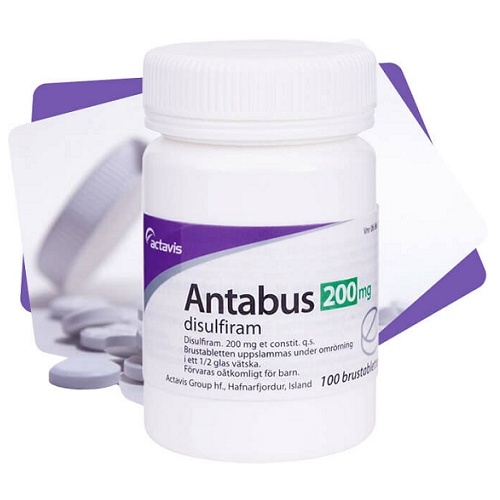
| Medication Name | Antabuse |
|---|---|
| Main Compound | Disulfiram |
| Treatment Use | Alcohol Dependence (helping maintain abstinence) |
| Forms and Strengths | Tablets: 250 mg, 500 mg |
| How Fast Does It Work? | Typically within 1–2 hours after taking |
| How Long Does It Last? | Effect persists for up to 1–2 weeks after the last dose |
| How Often Is It Taken? | Once daily (maintenance dosing) |
| Prescription Required in United States? | Yes, by law |
| Average Price Range (United States) | $60–$110 per month (varies by pharmacy and dosage) |
Antabuse for Alcohol Dependence: Guidance and Access in United States
Antabuse, with its active ingredient Disulfiram, is a medication designed to support individuals in the United States who wish to stop drinking alcohol. Used under the supervision of a healthcare provider, it plays a specific role in treating alcohol dependence and is legally available in the country with a valid prescription. Understanding how Antabuse fits into your recovery journey is the first step toward making an informed choice.
Alcohol Dependence: You Are Not Alone and You Can Recover
Alcohol dependence is not a rare or isolated problem. According to the National Institute on Alcohol Abuse and Alcoholism (NIAAA), 2022, more than 29.5 million adults in the United States met the criteria for Alcohol Use Disorder. These numbers highlight that seeking help is both common and valid. Treatment options, including medications like Antabuse, exist because recovery is possible – and thousands begin that path every day. Knowing the scale and solvability of the issue does not minimize your struggle, but it does mean you do not have to face it alone.
How Antabuse Works: Physiology and What You Experience
Antabuse (Disulfiram) acts in a unique way among medications for alcohol dependence. When you take Antabuse, it blocks an enzyme in your liver called aldehyde dehydrogenase. Under normal circumstances, this enzyme helps process alcohol in your body, breaking it down safely. When the enzyme is blocked, even a small amount of alcohol leads to a rapid buildup of acetaldehyde—a toxic substance. As a consequence, if you drink alcohol while on Antabuse, you will experience intense and unpleasant symptoms such as flushing, nausea, palpitations, shortness of breath, and sometimes anxiety, usually within 10–30 minutes.
For you, the practical result is that drinking alcohol becomes physically aversive. This effect helps many people maintain abstinence, especially during the challenging early months of recovery. Antabuse does not reduce alcohol cravings directly, but it creates a strong deterrent to drinking. The effect is long-lasting: even after you stop taking the medication, your body remains sensitive to alcohol for up to two weeks.
In clinical studies, such as those reviewed by the American Psychiatric Association, 2021, Antabuse increased abstinence rates compared to placebo in motivated patients when combined with counseling. It is important to understand that the medication is most effective as part of a comprehensive treatment plan—not as a standalone solution.
Is Antabuse Right for You? Finding Your Path
| Your Situation | Is Antabuse Suitable? | Why or Why Not |
|---|---|---|
| You are highly motivated to avoid alcohol, have strong support, and need a clear deterrent | Yes | Antabuse is most effective for those committed to abstinence, especially when used alongside therapy or support groups. |
| You struggle with impulse control and have found other medications (like naltrexone or acamprosate) ineffective | Likely yes, after evaluation | If other options haven’t worked, Antabuse may provide a stronger behavioral barrier. However, medical evaluation for suitability is essential. |
| You cannot reliably avoid alcohol exposure, have serious heart or liver disease, or may have difficulty adhering to treatment | No | Because Antabuse’s reaction with alcohol can be dangerous, it is not recommended if abstaining cannot be guaranteed or if you have certain health conditions. |
| You are looking for a medication that reduces cravings directly | Not ideal | Antabuse does not impact cravings; medications such as naltrexone or acamprosate may be more appropriate in this case. |
These examples can help you recognize your own situation. If you are still unsure if Antabuse fits, a confidential consultation with an addiction specialist in the United States can clarify your options without judgment.
Daily Life with Antabuse: What to Expect and What to Do
- Taking Antabuse: Antabuse is usually taken once a day in the morning. It can be taken with or without food. Consistency matters; missing doses reduces its effectiveness as a deterrent.
- What to avoid: Alcohol in any form, including small amounts in sauces, cough syrups, mouthwash, and some desserts. Even trace exposures can trigger a reaction.
- If you forget a dose: Take it as soon as you remember that day. If you miss more than one day, speak to your doctor before restarting. Do not double your dose to catch up.
- If you accidentally drink alcohol: You may experience a strong reaction. Seek medical attention if you have severe symptoms (chest pain, breathing difficulty, fainting).
- When it doesn’t work: If you find yourself drinking despite being on Antabuse, or if you have no reaction, stop taking it and contact your healthcare provider—your body may metabolize the drug differently, or there may be an interaction with other medications.
- Normal vs. concerning: Mild side effects like drowsiness or metallic taste are common and usually resolve. Severe symptoms (yellowing of skin/eyes, persistent nausea, confusion) require prompt medical evaluation.
Planning ahead and reading product labels become routine. Many patients keep a list of alcohol-containing products to avoid, and some carry a medical ID indicating they are on Disulfiram, in case of emergencies.
Is Antabuse Safe for You? Contraindications Explained
Antabuse is not for everyone. Its use is limited by certain health conditions, because the disulfiram–alcohol reaction can pose significant risks. Below are specific scenarios where Antabuse should not be used, and the reasons why:
- Severe heart disease: Because the reaction can cause heart rhythm disturbances and increased cardiac stress, Antabuse is contraindicated.
- Significant liver impairment: Since Disulfiram is processed by the liver and can cause liver inflammation, those with active liver disease should avoid it.
- History of severe psychiatric illness (e.g., psychosis): Antabuse may worsen certain psychiatric symptoms, so is generally not recommended in these cases.
- Pregnancy and breastfeeding: Not recommended due to insufficient safety data; risks may outweigh benefits.
- Known allergy to Disulfiram or thiuram derivatives: Risk of severe allergic reaction.
Consultation with a qualified healthcare provider in the United States is necessary before starting Antabuse, especially if you have medical conditions or are taking other medications.
What Side Effects to Expect — and When to Seek Help
- Common, usually mild: Metallic taste in the mouth, drowsiness, mild headache, skin rash, mild gastrointestinal discomfort. These often resolve over time.
- Occasional, may need a doctor’s attention: Changes in mood, persistent vomiting or abdominal pain, dark urine, yellowing eyes/skin (suggesting liver stress).
- Rare but serious (seek immediate care): Signs of severe allergic reaction (swelling of the face, difficulty breathing), chest pain, confusion, seizures, or loss of consciousness. If these occur, call 911 or contact the American Association of Poison Control Centers at 1-800-222-1222 right away.
These risks are not unique to Antabuse, but they underscore the importance of medical follow-up—especially in the first weeks of therapy.
Antabuse and Other Medications: Interactions to Consider
Antabuse can interact with certain other substances, sometimes increasing side effects or reducing its effectiveness. Notable interactions include:
- Metronidazole (antibiotic): May cause confusion or psychotic reactions when taken with Disulfiram.
- Phenytoin and some blood thinners: Antabuse can raise their blood levels, increasing risk of toxicity or bleeding.
- Caffeine and theophylline: Slower metabolism, leading to side effects like jitteriness or palpitations.
Always inform your doctor and pharmacist about all medications and supplements you use. This reduces the risk of unexpected side effects or dangerous reactions.
How Antabuse Compares: Alternatives and Honest Limitations
Antabuse is one of several FDA-approved medications for alcohol dependence. Each offers a different approach, and none is universally superior. Here’s a direct comparison:
| Medication | Main Action | Best For | Limitations |
|---|---|---|---|
| Antabuse (Disulfiram) | Creates unpleasant reaction with alcohol | Those highly motivated to abstain; as a deterrent | Does not reduce cravings; reaction if alcohol is ingested can be severe |
| Naltrexone | Reduces pleasurable effects of alcohol | Patients who struggle with cravings or relapse despite intention | Does not produce immediate deterrent; requires continued motivation |
| Acamprosate | Stabilizes brain chemicals during abstinence | Helping maintain sobriety in those already abstinent | Requires multiple daily dosing; less effective if abstinence not achieved |
Antabuse is most effective for people who can commit to abstinence and want a clear physical reminder not to drink. It is not ideal for those seeking help with cravings or those with barriers to strict alcohol avoidance. Each option should be discussed with a clinician—there is no one-size-fits-all answer in recovery support.
Buying Antabuse in United States: Cost, Access, and What to Expect
For those ready to move forward, the next step is understanding how to purchase Antabuse and what to expect in terms of cost, process, and legal requirements. In the United States, Antabuse is a prescription medication, regulated by the U.S. Food and Drug Administration (FDA). While a prescription is officially required, in practice some online providers may offer Antabuse without prescription—often bundled with a telemedicine consultation or remote prescription service.
You can buy Antabuse in traditional pharmacies with a doctor’s prescription, or order Antabuse online from licensed digital clinics. Many patients find it more convenient to purchase Antabuse online, especially when local pharmacy stock is limited or when privacy is a priority. There are also options for Antabuse cheap or more affordable prices when comparing online and local options.
Below is a realistic breakdown of costs for Antabuse in United States, including both offline and online methods:
| Cost item | Amount (USD) | Note |
|---|---|---|
| Doctor or Telemedicine Consultation | $0 – $150 | In-person visits vary; some online services include consult in price |
| Prescription (if purchased separately) | $0 – $40 | Some clinics charge separately; others include with consult |
| Antabuse (Disulfiram) Tablets | $60 – $110 per month | Price varies by pharmacy, dosage, and insurance |
| Delivery | $0 – $25 | Standard shipping for Antabuse online orders |
| Estimated Total | $60 – $325 (first month) | Minimum is local pharmacy with insurance; maximum is full online process |
If you search “buy Antabuse,” you will find both brick-and-mortar and digital pharmacies. To purchase Antabuse without prescription is technically not allowed by law, but some telehealth websites facilitate an online doctor review as part of the process. Ordering Antabuse online in United States is legal when done through a licensed provider, and most reputable platforms require at least a remote medical questionnaire. For those seeking Antabuse in pharmacy locations, calling ahead to check stock and price is often useful, as availability can vary.
Price differences are real: Antabuse cheap or affordable offers are more likely online, especially via generic manufacturers. However, always verify the provider’s credentials—counterfeit medications are a risk on unverified websites.
Lingering Concerns: What If I Still Have Questions?
As a specialist in addiction medicine, I often hear: “Is it really safe to order Antabuse without prescription online?” My answer: While there are platforms advertising Antabuse without prescription, responsible providers in United States will always require at least a medical consultation—even if it’s via telemedicine. This protects your health and ensures the medication is right for you.
Other common concerns include confidentiality—your privacy is protected by law in both offline and online clinics—and insurance coverage. Some insurance plans do cover Antabuse, especially if prescribed by a licensed provider; check with your insurer for details.
If you have a unique health condition, are taking several medications, or need guidance on affordable Antabuse options, reaching out to a provider experienced in alcohol dependence is the safest and most efficient way to resolve outstanding doubts.