
- Home/
- Buy Propecia Without Prescription in the United States Online
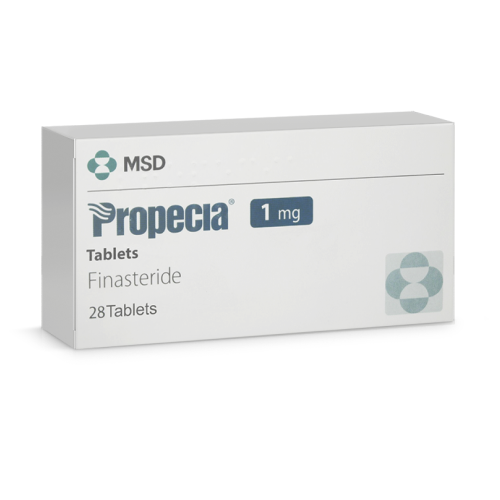
Can You Obtain Propecia Without a Prescription in the United States?
Propecia (finasteride) is classified as a prescription-only medication in the United States. It is illegal to buy Propecia without a prescription from a licensed healthcare provider. Attempting to obtain Propecia online or in pharmacies without a valid prescription is not permitted under U.S. law.
Key Takeaways: What Every Patient Should Know About Propecia (Finasteride) in United States
- Propecia is most effective for adult men with mild to moderate male pattern hair loss (androgenetic alopecia).
- Noticeable results require consistent daily use for at least 3–6 months; improvements may be seen in hair density and slowed hair loss.
- Prescription is required in United States; legitimate pharmacies and telemedicine services must review your case first.
- Most common side effects are sexual in nature (reduced libido, erectile dysfunction), but these occur in a minority of users.
- Propecia addresses the hormonal cause of hair loss, but does not work for all types of hair loss or for women and children.
- Seek medical advice before starting, especially if you have liver disease or plan to conceive children.
How Does Propecia Work? Understanding Its Mechanism of Action
Propecia contains finasteride, a selective inhibitor of the enzyme type II 5α-reductase. This enzyme is responsible for converting testosterone into dihydrotestosterone (DHT) in the scalp and prostate. DHT is the primary androgen implicated in shrinking hair follicles, leading to the progressive miniaturization characteristic of male pattern baldness.
By inhibiting 5α-reductase, Propecia decreases scalp DHT levels by about 60–70% over several months (FDA, PubMed). This reduction slows hair follicle shrinkage, allowing for stabilization of hair loss and, in many cases, regrowth of thicker hair.
Metaphor: Imagine DHT as a corrosive element slowly wearing down the roots of your hair. Propecia works like a protective barrier, shielding those roots from further damage and giving them a chance to recover—but only as long as the barrier is maintained.
Note: Propecia works independently of external factors such as sunlight, diet, or scalp treatments; its effectiveness depends on consistent daily intake and patient-specific hormonal response.
Why Many Men Overestimate What Propecia Can Do for Their Hair
As a physician specializing in hair loss, I regularly see men come in expecting Propecia to regrow a full head of hair within weeks. One widespread misconception is that results will be dramatic or immediate, when in reality, benefits are typically gradual and subtle at first—often a halt in further loss rather than new growth. Some patients discontinue therapy prematurely, believing it “isn’t working,” when in fact, stabilization is a major win. Another overlooked point is that some degree of daily shedding is normal and doesn’t mean the medication has failed. Patients rarely ask about the importance of ongoing monitoring for side effects or the need to continue therapy long-term to maintain benefits. Clinical reality is that success requires patience, realistic expectations, and ongoing communication with your healthcare provider.
How Should You Take Propecia? Dosage, Administration, and Duration of Effect
The typical dose for male pattern hair loss is 1 mg finasteride by mouth once daily. Higher doses do not provide greater benefit for hair loss and may increase side effects.
- Propecia tablets should be taken at the same time every day, with or without food.
- Do not split or crush the tablet. Finasteride can be absorbed through the skin; broken tablets are especially hazardous for women and children.
- Missed doses should be skipped, not doubled.
- Maximum dose for hair loss: 1 mg daily. Higher doses are indicated only for prostate conditions and require separate medical guidance.
Peak effect on DHT reduction occurs within 24–48 hours of regular use, but visible results for hair regrowth often take 3–6 months. If no benefit is seen after 12 months, continued therapy is unlikely to help (Mayo Clinic).
Special populations: No dose adjustment for mild kidney impairment; not recommended in severe liver disease. Use in elderly is not routinely indicated for hair loss.
Can You Take Propecia With Food or Alcohol? Dietary and Lifestyle Considerations
- Food: Propecia may be taken with or without food. High-fat meals do not significantly alter absorption or effectiveness.
- Alcohol: Moderate alcohol consumption is not known to significantly interact with finasteride (FDA). However, excessive drinking may worsen some side effects (e.g., liver strain, sexual dysfunction).
- Grapefruit juice: No clinically relevant interaction reported.
Summary: There are no strict dietary restrictions with Propecia, but adherence to regular dosing is key to success.
Who Should Not Use Propecia? Contraindications and Red Flags
- Absolute Contraindications (Never use):
-
- Women and children: Propecia is not indicated and can cause fetal harm if handled by pregnant women.
- Known hypersensitivity to finasteride or any ingredient in Propecia.
- Patients with severe liver impairment (metabolism primarily hepatic).
- Relative Contraindications (Use only with strict medical supervision):
-
- History of prostate cancer (finasteride may mask PSA levels).
- Chronic liver disease (may require monitoring or dose adjustment).
- Men planning to father a child soon—risk of potential impact on fertility (see below).
Cardiovascular risk: No direct contraindication, but patients with significant liver disease or advanced age should be closely supervised.
What Side Effects Are Most Common With Propecia?
- Very common (>1/10): None established at 1 mg dose for hair loss.
- Common (1/100 to 1/10):
- Reduced libido (sexual desire)
- Erectile dysfunction
- Decreased semen volume
- Uncommon/Rare (1/1,000 to 1/100):
- Breast tenderness or enlargement (gynecomastia)
- Testicular pain
- Mood changes, including depression
- Allergic reactions (rash, swelling of lips/face)
- Infertility (reversible in most cases)
- Very rare (<1/10,000):
- Male breast cancer (extremely rare, but reported)
- Serious allergic reactions (angioedema)
Mechanism: Sexual side effects are believed to relate to reduced DHT, which is important for some aspects of male sexual function. Most side effects resolve after discontinuation, but a minority report persistent symptoms (the so-called “post-finasteride syndrome,” which remains controversial and is under investigation).
If side effects occur: Contact your healthcare provider. Immediate attention is required for breast lumps, persistent pain, swelling, or signs of serious allergic reactions.
Common Patient Mistakes That Undermine Propecia Therapy
- Stopping the medication too soon: Many users expect rapid hair growth and discontinue after a few months, not realizing that benefits may only become noticeable after 6–12 months.
- Irregular dosing: Skipping days or taking double doses to “catch up” disrupts hormonal effects, reducing efficacy and potentially increasing side effect risk. Consistency is critical.
- Trying higher doses for faster results: Using more than 1 mg daily does not improve hair regrowth and increases the risk of adverse effects.
- Self-prescribing Propecia for other types of hair loss: Propecia is not effective for alopecia areata, telogen effluvium, or hair loss in women.
- Ignoring signs of sexual or psychological side effects: Some patients persist despite significant symptoms, rather than consulting a doctor for possible dose adjustment or discontinuation.
- Purchasing Propecia online from unverified sources: This increases the risk of counterfeit or substandard products, which may be ineffective or unsafe.
How Does Propecia Compare to Alternatives? (Competitor Analysis Table)
| Medication | Mechanism | Onset of Effect | Common Side Effects | Cost per Tablet (USD) | Prescription Required? |
|---|---|---|---|---|---|
| Propecia (Finasteride) | 5α-reductase inhibitor | 3–6 months | Sexual dysfunction, low libido | $2–$4 (brand), $0.50–$1.50 (generic) | Yes |
| Minoxidil (Topical) | Vasodilator (topical) | 2–4 months | Scalp irritation | $0.20–$0.60 (generic foam/solution) | No (OTC) |
| Dutasteride | Dual 5α-reductase inhibitor | 3–6 months | Sexual dysfunction, breast tenderness | $3–$8 (brand), $1–$2.50 (generic) | Yes |
Bottom line: Propecia is the only oral medication FDA-approved specifically for male pattern hair loss, but topical minoxidil is a non-prescription alternative that may be used alone or in combination. Dutasteride is more potent but not FDA-approved for hair loss in United States.
Technical Facts About Propecia: Formulations, Storage, and Product Characteristics
| Active Ingredient | Finasteride |
| Strengths available | 1 mg (Propecia for hair loss), 5 mg (Proscar for prostate) |
| Formulation | Film-coated tablet |
| Storage | Room temperature (68–77°F/20–25°C), protect from moisture |
| Color/Shape | Pale orange, rounded, with ‘PROPECIA’ and strength engraved |
| Manufacturer | Merck & Co., generics by multiple manufacturers |
| Shelf Life | Typically 2–3 years from date of manufacture |
Compatibility Table: Can You Combine Propecia With Other Products?
| Product or Medication | Can It Be Combined? | Consequences or Interactions |
|---|---|---|
| Minoxidil (topical) | Yes | No significant systemic interaction |
| Testosterone supplements | Use with caution | May reduce Propecia effectiveness |
| Finasteride (prostate dose, 5 mg) | No | Risk of excessive dose, increased side effects |
| Warfarin or blood thinners | Yes, with monitoring | Minor interaction possible, monitor INR |
| Alcohol | Yes (in moderation) | No direct interaction, but excessive use may worsen side effects |
How Do You Get Propecia in United States? Step-by-Step Patient Guide
- Initial Consultation: Schedule an appointment with a licensed healthcare provider (primary care, dermatologist, or hair loss specialist) in your city (e.g., New York, Los Angeles, Chicago).
- Medical Evaluation: The provider will assess your hair loss pattern, medical history, and ensure Propecia is appropriate for your situation.
- Prescription Issuance: If indicated, a prescription will be provided. Some clinics and telehealth platforms offer direct-to-consumer consultations and can transmit prescriptions electronically.
- Filling at Pharmacy: Take your prescription to a licensed pharmacy, or use a legitimate online pharmacy accredited by the National Association of Boards of Pharmacy (NABP) via safe.pharmacy.
- Pick Up or Delivery: Most pharmacies can prepare your medication for same-day pickup; online pharmacies will ship to your home with tracking.
- Follow-Up: Regular medical follow-up is recommended to monitor effectiveness and side effects.
Avoiding Unsafe Online Pharmacies: A U.S. Safety Guide
Buying Propecia online is legal in United States only through properly licensed, accredited pharmacies. Legitimate online pharmacies will always:
- Require a valid prescription from a U.S.-licensed healthcare provider.
- Be certified by the NABP’s VIPPS program (look for the Pharmacy Verified Websites Seal).
- Provide a physical U.S. address and a licensed pharmacist for consultation.
- Comply with all FDA and state Board of Pharmacy regulations.
Warning signs of unsafe sellers:
- No prescription required (“Propecia without prescription” offers are illegal and risky).
- Unusually low prices (“Propecia cheap” may mean counterfeit or expired stock).
- No physical address or pharmacist contact.
- Shipping from outside the United States or offering “international generic” versions not approved by the FDA.
Counterfeit products may lack active ingredient, contain harmful substances, or have incorrect dosing.
Quality Check: How to Spot Genuine Propecia in United States
- Original Propecia: Film-coated, pale orange, round tablets with “PROPECIA” and “MSD” engraved, sold in official blister packs. U.S. packaging includes a manufacturer’s lot number and expiration date.
- Generic Finasteride: Tablets may differ in color or shape but will be clearly labeled with the manufacturer, dose, and “finasteride.” Packaging should include the FDA National Drug Code (NDC).
- Security features: Most reputable brands use tamper-evident packaging. Some newer packaging features QR codes or holograms linked to the manufacturer’s verification portal.
- Counterfeit warning: Tablets that are chipped, unmarked, or shipped in unlabeled plastic bags are likely counterfeit.
Myth vs Reality: Is Generic Propecia Inferior?
- Myth: Only the original brand works.
- Reality: FDA-approved generics are bioequivalent and just as effective as Propecia, but may differ in inactive ingredients (excipients), which rarely cause allergic reactions.
Generics are generally more affordable (as low as $0.50 per tablet), making them a preferred option for many patients.
Propecia Pharmacokinetics: How the Body Handles Finasteride
- Absorption: Rapidly absorbed after oral administration; peak plasma levels within 1–2 hours.
- Metabolism: Primarily processed by the liver via CYP3A4 enzyme system.
- Elimination: Excreted in urine (39%) and feces (57%).
- Half-life: Approximately 4.8–7 hours in adults (may be prolonged with age or liver impairment).
Clinical note: Because metabolism is hepatic, patients with severe liver disease should not use Propecia without close medical supervision.
Special Considerations for Patient Groups: Safety and Use
- Women and children: Not indicated. Pregnant women must not handle crushed or broken tablets due to risk of fetal harm.
- Elderly men: Not routinely prescribed for hair loss; safety and efficacy data are limited.
- Men with chronic liver disease: Close monitoring required; use only if benefits outweigh risks.
- Fertility: Some reports suggest a possible reduction in sperm count or quality during use; effects are usually reversible after discontinuation. Men planning to conceive should discuss risks and timing with their doctor.
- Driving and machinery: No impairment of cognitive or motor function reported at prescribed doses.
Overdose: What to Do If You Take Too Much Propecia
- Stop taking Propecia immediately.
- Call Poison Control (1-800-222-1222) or seek emergency medical attention.
- Inform emergency personnel of the dose taken and any symptoms.
- Bring the medication packaging if possible.
- There is no specific antidote; treatment is supportive based on symptoms.
Severe overdose is rare but may increase risk of side effects. Prompt action increases safety.
Psychological Support for Men Facing Hair Loss
Experiencing hair loss is common and can affect self-esteem and well-being. Remember, you are not alone—millions of men in United States deal with this issue, and a range of effective treatments are available. If you feel frustrated or anxious, consider speaking with a healthcare provider or counselor. Discussing concerns openly with your partner or loved ones can also help reduce stress.
Professional Clinical Assessment by doctor: Who Truly Benefits from Propecia Therapy?
In my clinical practice, Propecia is best suited for adult men with early to moderate male pattern hair loss, particularly those with a strong family history who wish to slow progression or potentially regain some density. Patients with diffuse thinning or recent onset typically respond more favorably than those with long-standing complete baldness, where regrowth is unlikely. Not every patient is an ideal candidate: men with significant sexual side effects on prior finasteride use, those with known liver problems, or individuals with specific fertility plans may be better served by alternative approaches or topical treatments. I also consider patient preference, tolerance for long-term therapy, and willingness for regular monitoring. In some cases, combination treatment with minoxidil or procedural therapies may provide better outcomes. The decision to start or continue therapy should always be individualized, with a focus on balancing expectations, risks, and evidence-based benefits.
Questions Frequently Asked to doctor About Propecia Treatment
- How do I know if Propecia is actually working for me?
- Most patients notice reduced hair shedding before seeing visible regrowth. I recommend taking standardized photos every few months for comparison. If, after 12 months, there’s no improvement in hair density or stabilization, we may need to consider other options.
- Is it safe to stop and restart Propecia if I want a break?
- Stopping Propecia usually leads to the return of hair loss within a few months. While it’s safe to restart, results will not be as pronounced if therapy is interrupted repeatedly. Consistency is key for best outcomes.
- Can Propecia worsen depression or cause mood changes?
- Some patients report mood changes, though these are uncommon. If you experience noticeable depression, anxiety, or irritability, please reach out promptly. We’ll discuss the risks and consider discontinuation if necessary.
- What follow-up care do I need while on Propecia?
- I typically recommend follow-ups every 6–12 months to review progress, side effects, and reassess treatment goals. Blood tests are not routinely required unless there are specific concerns.
- Should I worry if my semen volume changes?
- A decrease in semen volume can occur, but this is usually reversible and not harmful. If you’re concerned about fertility or planning a family, let’s discuss this before starting or continuing therapy.
- Can I use Propecia and minoxidil together?
- Yes, using both medications can provide additive benefits, especially for patients not achieving desired results with one alone. We’ll tailor the plan to your needs.
- How should I handle missed doses?
- Simply skip the missed dose and resume your regular schedule. Do not double up; missed doses rarely have a major impact if you return to consistent use quickly.
Frequently Asked Questions (FAQ) About Propecia in United States
- How effective is Propecia for hair loss?
- Clinical trials show that about 80–90% of men experience slowed hair loss and up to 65% see some regrowth with daily use for 6–12 months (FDA). Effectiveness depends on age, pattern of hair loss, and adherence.
- Can you buy Propecia online in United States?
- Yes, but only from licensed online pharmacies that require a valid prescription. Offers of Propecia without prescription are illegal and potentially dangerous.
- Is there a way to buy Propecia cheap or at a lower cost?
- Generic finasteride is generally more affordable than brand Propecia and equally effective. Look for U.S. FDA-approved generics at licensed pharmacies for best value.
- Does insurance cover Propecia for hair loss?
- Most health plans in United States do not cover Propecia for cosmetic hair loss. However, flexible spending accounts (FSAs) or health savings accounts (HSAs) may be used. Out-of-pocket costs are typical.
- Can women use Propecia?
- No, Propecia is not indicated for women and may cause birth defects if used or handled during pregnancy. There is no evidence of benefit for female pattern hair loss.
- What happens if I stop taking Propecia?
- Hair loss typically resumes within a few months after discontinuation, returning to baseline over 6–12 months. Benefits are maintained only while taking the medication.
- Does Propecia interact with other medications?
- Finasteride has a low risk of major drug interactions. However, always inform your healthcare provider of all medications you are taking. Some drugs (e.g., testosterone) may counteract its benefits.
- How can I verify if my Propecia is authentic?
- Check for manufacturer engraving, lot number, and official packaging. Only buy Propecia in pharmacy settings or through accredited online pharmacies in United States.
- Is there a withdrawal or dependence risk if I stop Propecia?
- Propecia does not cause physical dependence. There may be a gradual return to pre-treatment hair loss but no withdrawal syndrome.
References
- FDA. Propecia (Finasteride) Approved Drug Label. Accessed 2026. https://www.fda.gov/
- Mayo Clinic. Finasteride (Oral Route) Description and Brand Names. Accessed 2026. https://www.mayoclinic.org/
- U.S. National Library of Medicine. DailyMed: FINASTERIDE Tablet. Accessed 2026. https://dailymed.nlm.nih.gov/
- National Association of Boards of Pharmacy. Safe Pharmacy Program. Accessed 2026. https://www.safe.pharmacy/
- PubMed. Finasteride for Androgenetic Alopecia in Men: Meta-Analysis of Randomized Controlled Trials. Accessed 2026. https://pubmed.ncbi.nlm.nih.gov/
- American Academy of Dermatology. Hair Loss: Who Gets and Causes. Accessed 2026. https://www.aad.org/