
- Home/
- Buy Lasix Online in the United States – Fast Shipping Available
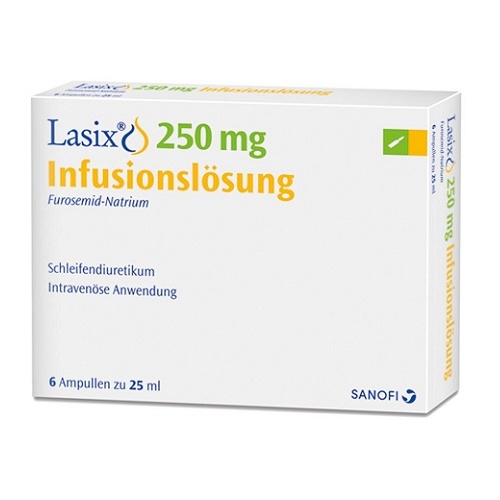
Lasix: Deciding If It’s Right for Your Edema
The moment most patients hear they need a “water pill”—the nickname for drugs like Lasix—is when swelling starts to impact real life: shoes that won’t fit, rings that get stuck, breathlessness climbing stairs. Edema in the United States is usually a sign something bigger is going on—most often heart, kidney, or liver disease. But not all swelling means Lasix is the answer.
- Lasix (furosemide) is not a general-purpose fluid remover—its power is most valuable when excess fluid is causing symptoms or is dangerous to organs.
- It works fast and can be dramatic, especially when you first start, but this can also mean risks if your body isn’t ready.
- Some patients expect a “quick fix,” but lasting benefit comes from the right dose, monitoring, and understanding the underlying cause of edema.
- Not everyone with swelling needs Lasix, and not everyone who takes Lasix will feel better immediately. The right choice depends on your diagnosis, other medications, kidney function, and your overall treatment goals.
Clinical tip: If your swelling is mild and not affecting daily life, many doctors will try to treat the root cause first, or use lifestyle changes before reaching for Lasix. But for severe, persistent, or organ-threatening edema, Lasix can be lifesaving.
Ultimately, whether Lasix is right for you comes down to a conversation with your doctor about what’s causing your edema, your other health issues, and how aggressive you want treatment to be. Many patients in the United States start this dialogue after searching “buy Lasix” or “order Lasix online” out of frustration with swelling—but knowing the real role this drug plays is the first step to using it safely.
How Lasix Actually Works in the Body—And Why That Matters
Furosemide, the active ingredient in Lasix, changes the way your kidneys handle salt and water. Unlike other diuretics, furosemide acts high up in the kidney’s loop of Henle—a place where a huge amount of sodium is normally reabsorbed. By blocking this reabsorption, Lasix sends a flood of sodium (and water that follows it) out through your urine.
- Loop Diuretic:
- Lasix belongs to the “loop diuretic” class—fast-acting, potent, and able to pull off large amounts of fluid compared to other water pills.
- Onset:
- Lasix often starts working within 30–60 minutes when taken by mouth (even faster by IV)—timing patients can actually feel.
- Duration:
- The effect peaks quickly but wears off in about 6–8 hours, so timing doses around your daily routine matters more than with other pills.
Did you know? A single dose of Lasix can trigger the loss of several pounds of water weight within hours—but this rapid fluid shift can also lower blood pressure or disrupt important electrolytes.
For patients, the practical upshot is this: taking Lasix means you’ll need bathroom access soon after, and you’ll need to stay alert for changes in symptoms. Its intensity is both its advantage and its risk—unlike milder options, Lasix demands close attention to how your body responds and what your labs show.
Why Furosemide Instead of Something Else?
Furosemide isn’t the only drug for edema. Thiazide diuretics work differently and are usually used for high blood pressure or mild swelling, not severe fluid overload. Potassium-sparing diuretics (like spironolactone) may help in liver disease but have a different risk profile. If you’ve searched “Lasix without prescription” or “Lasix cheap” after trying other treatments, understanding this difference is crucial: furosemide’s speed and power can be a lifesaver, but it also means side effects arrive fast if the dose is wrong.
What Real Results Look Like: What to Expect If You Start Lasix
Lasix is not subtle. Most patients notice a significant increase in urination within the first few hours of a dose. Swelling in the legs, ankles, or belly may go down noticeably over a day or two if the fluid build-up was significant.
However, the real-world experience of Lasix isn’t just about numbers on a scale or narrower ankles. Here’s what patients most often report:
- Feeling lighter or less puffy, but sometimes also tired as fluid shifts
- Needing to plan daily routines around bathroom access—morning doses may be easiest for most people
- Occasional dizziness, especially if standing quickly or if the dose is too high
- Thirst and sometimes dry mouth, particularly if fluids aren’t balanced well
- Changes in appetite or muscle cramps—often a sign of low potassium
- Biggest improvements often seen in shortness of breath or ability to move around comfortably
Patient experience: Some patients are surprised that swelling doesn’t always disappear completely, especially if the underlying heart or kidney problem remains severe. The goal is usually to reach a comfortable, stable baseline—not to remove every trace of fluid.
Expect that your doctor will want to check your weight, blood pressure, and blood tests (especially sodium, potassium, and kidney function) after starting Lasix. “Buy Lasix online” searches often skip this part, but safe use in the United States means regular follow-ups—even if you feel great after the first few doses.
Comparing Lasix to Other Edema Treatments: When Is It the Best Choice?
| Medication | Main Use | How Fast It Works | Effectiveness in Severe Edema | Key Side Effects | Prescription Status (US) | Typical Price Point |
|---|---|---|---|---|---|---|
| Lasix (Furosemide) | Moderate to severe fluid overload (heart failure, kidney/liver) | 30–60 minutes (oral); 5 min (IV) | High, especially for rapid relief | Dehydration, low potassium, low sodium, kidney strain | Prescription only | Generic is affordable; brand higher |
| Hydrochlorothiazide | Mild edema, hypertension | 2 hours (oral) | Low–moderate; not ideal for severe cases | Low potassium, mild dehydration | Prescription only | Very affordable |
| Spironolactone | Liver cirrhosis, resistant edema | 2–4 days to peak effect | Moderate, but slower | High potassium, breast tenderness | Prescription only | Generic is affordable |
Interpretation: For most Americans with significant or fast-worsening edema, Lasix is the standard because it acts quickly and powerfully. Thiazides like hydrochlorothiazide are safer for long-term mild swelling but rarely enough on their own for big fluid shifts. Spironolactone works more slowly and is mainly used when potassium loss is a problem or in cirrhosis. “Buy Lasix” and “purchase Lasix” searches often reflect real frustration with less effective options—just remember, more power means more need for monitoring.
Dosing Lasix: Why One Size Never Fits All
Lasix dosing is a balancing act. Too little, and the swelling barely budges. Too much, and you risk dizziness, dehydration, or even kidney trouble. In the United States, most patients start with a lower dose, adjusted upward until urine output and swelling improve—then fine-tuned to avoid side effects. There’s no “standard dose” for everyone.
| Condition | Starting Dose (Oral) | Usual Maintenance Dose | Maximum Daily Dose | Special Considerations |
|---|---|---|---|---|
| Edema (heart failure, kidney, liver) | 20–40 mg once daily | 40–120 mg daily (in divided doses) | 600 mg (rarely needed) | Adjust in kidney/liver impairment, elderly |
| Acute pulmonary edema (IV use) | 20–40 mg IV slowly | May repeat in 1–2 hours if needed | Uncommon to exceed 200 mg IV/day | Hospital setting only |
Practical tip: Dosing often changes over time. Your doctor will adjust based on your swelling, weight, kidney function, and blood test results. Never increase your dose on your own—even if you’ve seen “Lasix cheap” or “Lasix without prescription” offers online. The risks aren’t worth it.
Timing Matters: When to Take Lasix
Taking Lasix in the morning is common to avoid nighttime bathroom trips. Some patients need a split dose (morning and early afternoon). Your eating and drinking habits, work schedule, and other medications all factor into the timing. Talk to your doctor about what fits your life—using “Lasix online” or “order Lasix” resources is never a substitute for a tailored plan.
Which Side Effects Matter Most with Lasix—And When to Act
Lasix side effects divide into two categories: those you expect (and can manage), and those that signal trouble. The majority of patients experience increased urination and some risk of mild dehydration. But it’s the electrolyte changes—especially low potassium and sodium—that deserve real attention. Here’s what to watch for:
- Muscle cramps, weakness, or irregular heartbeat—could signal low potassium.
- Confusion, severe fatigue, or seizures—rare but possible with very low sodium.
- Ringing in the ears or hearing changes—usually with high doses.
- Sudden drop in urine output or swelling that worsens—could mean kidney stress.
- Rashes, hives, or difficulty breathing—seek help immediately for signs of allergy.
| Side Effect | How Common? | When to Call Your Doctor? |
|---|---|---|
| Increased urination | Very common | Only if severe or disruptive |
| Dizziness, low blood pressure | Common | If fainting, falls, or persistent |
| Muscle cramps, weakness | Moderate | If ongoing or with palpitations |
| Hearing changes | Rare (high dose) | Right away |
| Rash, swelling, breathing trouble | Very rare | Immediately—emergency |
| Sudden decrease in urination | Rare | Right away |
| Confusion, seizures | Very rare | Immediately—emergency |
Doctor’s perspective: “One thing I see in practice is patients underestimating how quickly Lasix can tip the balance—especially with potassium. I always advise, if you feel weak, confused, or your heartbeat feels odd, don’t wait for your next routine visit. Call your provider. Small changes are usually easy to fix early on.”
Every patient’s response is different. If you’ve searched for “Lasix in pharmacy” or “Lasix in United States” and think side effects are uncommon, remember: most are preventable with routine monitoring, but only if you communicate changes quickly.
When You Shouldn’t Take Lasix: Important Warnings for Patients
- You have ever had a severe allergic reaction to furosemide or similar diuretics (sulfa allergy may be relevant—discuss with your physician).
- Your kidneys are not making urine at all (anuria)—Lasix will not help and may be harmful.
- You cannot replace lost fluids (due to vomiting, diarrhea, or low blood pressure).
- You have very low sodium or potassium levels—Lasix can worsen these quickly.
- You are pregnant or breastfeeding—discuss risks and benefits with your doctor; Lasix is not routinely used unless necessary.
- You have severe liver or kidney disease—dosing and monitoring must be tailored carefully.
- You are taking other medications that affect potassium, blood pressure, or kidney function. Drug interactions require close review by your prescriber.
In the United States, Lasix is prescription-only because these risks are real. Searching for “Lasix without prescription” or “order Lasix online” may seem convenient, but it bypasses the safety net that protects you from the most serious complications.
Buying Lasix in United States: Practical Guide to Access and Cost
In the U.S., you cannot legally buy Lasix without a prescription. Federal regulations require a physician’s order and monitoring for all furosemide-containing products, regardless of dose or brand. Here’s what patients need to know about getting and affording Lasix:
- Prescription Required: Every pharmacy—retail, mail-order, or online—will need a valid prescription from a licensed provider. “Lasix without prescription” offers are illegal and unsafe.
- Where to Buy Lasix: Most chain and independent pharmacies stock generic furosemide. You can buy Lasix in pharmacy locations across the country, or use verified online pharmacy services with your doctor’s order.
- Cost and Insurance: Generic furosemide is among the most affordable prescription drugs in the United States. With insurance, copays are usually minimal. Without insurance, many pharmacies offer discount programs—always ask about price options if cost is a concern.
- Buying Lasix Online: It is legal to order Lasix online only through licensed U.S. pharmacies with a prescription. Be wary of foreign or unlicensed sites advertising “Lasix cheap”—counterfeit risks are real, and quality cannot be guaranteed.
- Delivery and Convenience: Home delivery is widely available from reputable U.S. pharmacies. This can be especially helpful for patients with limited mobility or access issues.
Access Advice: If you are struggling with the price of Lasix—even generic—talk to your doctor or pharmacist about assistance programs. Never skip doses or cut tablets to save money; this can cause more harm than good.
For patients frustrated by “Lasix in United States” availability or cost, know that high-quality, affordable options exist—but only with proper medical oversight. Trustworthy sources will always require your prescription and provide pharmacist counseling.
FAQ: Real Questions About Lasix in United States
No. U.S. law requires a valid prescription for any form of Lasix (furosemide), whether you buy it in a local pharmacy or order Lasix online. Offers for “Lasix without prescription” are illegal, unsafe, and put your health at risk.
Generic furosemide is considered affordable by most standards. Prices vary, but many pharmacies offer a month’s supply for under $15. Ask about discount programs at your pharmacy to lower the cost if needed.
Only purchase Lasix from online pharmacies licensed in the United States, and only with a prescription. Avoid any site offering “Lasix without prescription” or “Lasix cheap” if it doesn’t require a doctor’s order—these sources often sell counterfeit or unsafe medications.
If you miss a dose, take it as soon as you remember—unless it’s almost time for your next dose. Never double up to catch up. If you’re unsure, call your doctor or pharmacist for guidance.
Yes. Take Lasix exactly as prescribed, attend all follow-up appointments for lab checks, and report unusual symptoms promptly. Eat a balanced diet, maintain hydration (unless your doctor says otherwise), and avoid over-the-counter medications that can affect your potassium or kidney function unless cleared by your provider.
Never stop Lasix suddenly without your doctor’s approval. Fluid can build back up quickly, especially in heart or kidney conditions. Your doctor will guide any dose reductions or discontinuation based on your symptoms and lab results.
For most patients, generic furosemide is equally effective and safe as brand-name Lasix. Rarely, some notice minor differences in how their body responds. If you have concerns after switching, discuss them with your doctor.
Sometimes, the cause of edema requires a higher dose, an alternative medication, or another treatment approach. Don’t increase your dose independently—schedule a review with your provider to reevaluate your treatment plan.
Many patients use Lasix for months or years, especially if their underlying condition is chronic. Long-term use requires ongoing monitoring for kidney function and electrolyte balance. Your doctor will periodically assess whether you still need Lasix or if the dose should change.
Sources / References
- U.S. Food & Drug Administration (FDA)
- Furosemide (Oral Route): Description and Brand Names – Mayo Clinic
- Diuretics (Water Pills) for Heart Failure – American Heart Association
- Diuretics for Kidney Disease – National Kidney Foundation
- 2022 AHA/ACC/HFSA Guideline for the Management of Heart Failure – American Heart Association
- Prescribing Information: Lasix (furosemide), Sanofi Aventis U.S. LLC, 2022
- PubMed – U.S. National Library of Medicine
- Centers for Disease Control and Prevention (CDC)