
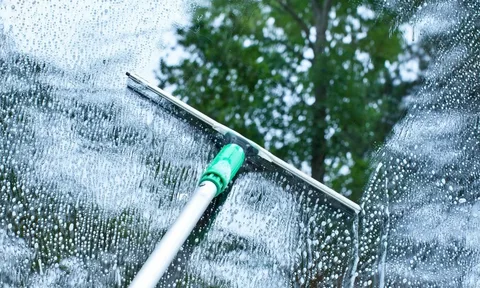
The Importance of Professional Glass Cleaning
In commercial spaces, first impressions matter. Glass surfaces in offices, lobbies, industrial facilities, and storefronts are often the first thing employees, clients, or visitors notice. Smudges, streaks, or dirt on glass do more than look unprofessional they can reduce natural light, create hazards, and compromise the overall appearance of a facility. For industrial environments, glass cleanliness is even more critical, as contaminated or obscured surfaces can affect safety monitoring, visibility, and operational efficiency.
Professional glass cleaning goes beyond a simple wipe down. It is a systematic process that combines the right equipment, carefully chosen cleaning solutions, and structured techniques. When executed correctly, these procedures ensure surfaces are clear, hygienic, and maintained for the long term.
Assessing the Glass and Environment
The first step in any commercial glass cleaning procedure is assessing the type of glass, its location, and the surrounding environment. Office buildings may feature large curtain walls, glass partitions, or decorative panels, while industrial sites often have protective windows, control room viewing panes, or skylights. Each surface presents unique challenges, including height, accessibility, and exposure to dust, grease, or chemicals.
A professional approach starts with evaluating which tools and techniques are appropriate. High-reach squeegees, telescopic poles, and specialized industrial lifts may be necessary for exterior windows or elevated panels. Meanwhile, glass in high-traffic areas inside office spaces may require more frequent attention with quick, streak-free cleaning solutions that do not interfere with operations.
Tools and Cleaning Agents
Selecting the right tools and cleaning agents is a key factor in achieving professional results. Microfiber cloths, squeegees with soft rubber blades, and scrubbers are staples for commercial glass cleaning. For industrial environments, specialized cleaning solutions are used to remove grease, dust, and environmental contaminants that standard cleaners cannot handle.
Water-fed pole systems are increasingly common for tall office buildings and large industrial structures. These systems use purified water to eliminate mineral deposits and streaking while allowing cleaners to reach high elevations safely. The combination of proper tools and effective cleaning agents ensures that every surface is treated without damage and leaves a spotless finish.
Interior Glass Cleaning Procedures
Interior glass in offices and commercial spaces requires precision and care. Partitions, conference room walls, and glass doors are cleaned systematically to prevent streaking and smudging. Professionals often start from the top and work downward, ensuring that any drips are caught and wiped away immediately.
Regular cleaning schedules are critical in commercial settings where fingerprints, dust, and grime accumulate quickly. A daily or weekly regimen helps maintain a professional appearance, reduces long-term residue buildup, and prevents the need for labor-intensive deep cleaning. For industrial interiors, interior glass cleaning also includes control room windows, viewing panels on machinery, and protective enclosures, where clarity is essential for safety and monitoring.
Exterior Glass Cleaning Procedures
Exterior glass in offices and industrial buildings faces additional challenges, including weather, pollution, and environmental debris. Exterior cleaning often involves high-reach equipment, scaffolding, or lifts for safety and efficiency. Technicians use pre-wetting techniques to loosen dirt and debris before applying cleaning solutions and squeegees for a streak-free finish.
Safety is a primary concern during exterior cleaning. Professional cleaners are trained in fall protection, proper equipment handling, and safe chemical application. These protocols ensure that the cleaning process does not compromise worker safety while delivering flawless results. For industrial sites, exterior glass may also require specialized degreasing solutions or pressure washing to remove oil, dust, or other residues common in manufacturing environments.
Maintenance and Preventive Measures
Glass cleaning is not just about immediate results; it is a long-term investment in safety, aesthetics, and operational efficiency. Preventive measures such as applying protective coatings, regularly inspecting seals and frames, and scheduling routine cleanings help maintain glass integrity and minimize wear.
For industrial settings, preventive cleaning also reduces the risk of contamination or impaired visibility that can affect machinery operations, safety monitoring, or compliance with regulatory standards. In office environments, regular maintenance enhances the professional appearance of the workspace and contributes to employee satisfaction and productivity.
Staff Training and Best Practices
Commercial glass cleaning requires trained personnel who understand the nuances of different surfaces, cleaning solutions, and safety protocols. Staff must be knowledgeable about handling high-elevation work, managing fragile panels, and preventing streaking or scratches.
In industrial contexts, training extends to understanding chemical residues, potential hazards, and proper disposal methods. Proper staff training ensures consistency, safety, and high-quality results across all commercial spaces. A well-trained team not only completes the task efficiently but also identifies potential risks before they become problems.
Verification and Quality Assurance
The final step in professional glass cleaning is verification. Supervisors or quality control personnel inspect cleaned surfaces to ensure streak-free clarity, complete debris removal, and adherence to safety standards. Industrial facilities may also include periodic testing to ensure that critical viewing panels or control glass meets operational safety requirements.
Documented verification provides accountability, reinforces standards, and demonstrates a commitment to both safety and professionalism. For office environments, this ensures that glass surfaces consistently reflect the high standards of the business.
Conclusion
Glass cleaning in commercial and industrial settings is far more than a cosmetic task. It is a structured, systematic process that enhances safety, operational efficiency, and professional appearance. By combining careful assessment, the right tools and agents, interior and exterior cleaning protocols, preventive maintenance, staff training, and verification procedures, businesses ensure that glass surfaces remain clear, hygienic, and functional. If you are in Boston or the nearby area, Partner with AJTS Cleaning Service for your commercial glass cleaning needs.
In offices and industrial facilities alike, professional glass cleaning is an essential element of facility management. Clean, streak-free glass is not just a reflection of professionalism it is a reflection of commitment to safety, efficiency, and attention to detail.